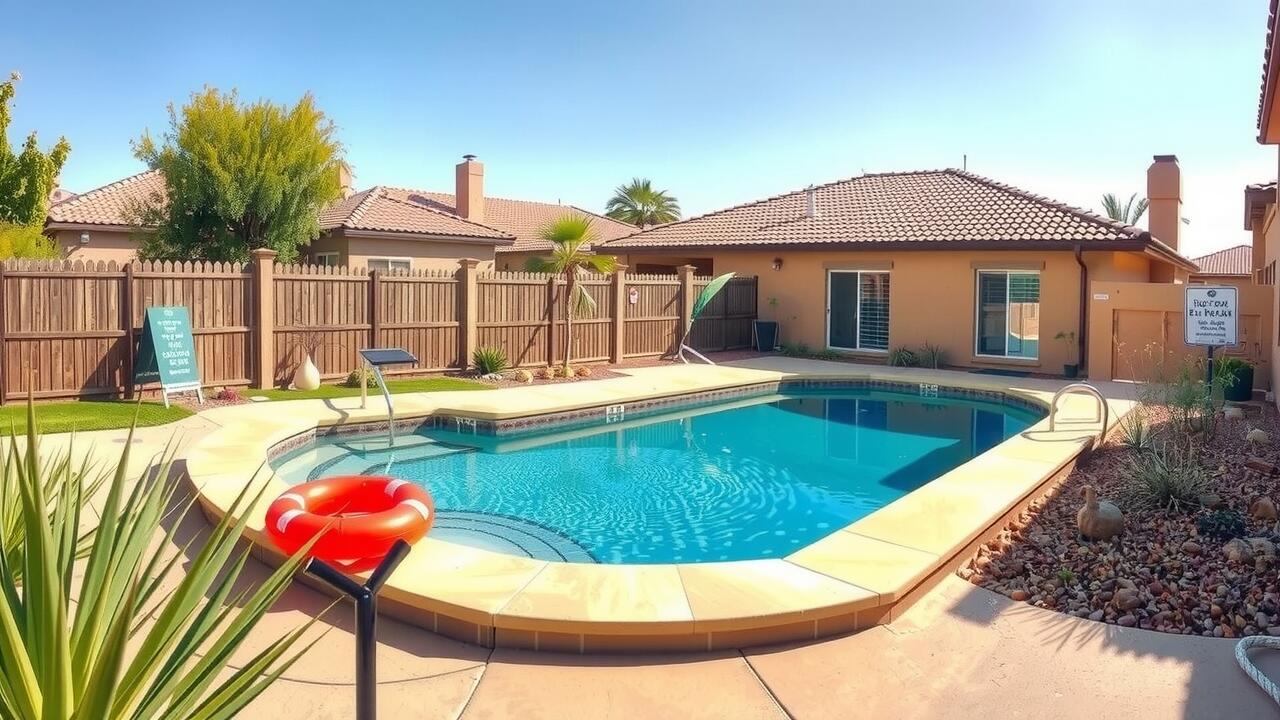
Pool Construction Regulations
In Arizona, pool construction regulations are primarily designed to ensure the safety of residents and promote compliance with health standards. All pool installations must adhere to the building codes established by local jurisdictions. These codes typically encompass specifications for pool barriers, such as fencing requirements and gate accessibility, to prevent unauthorized access and enhance safety for children and pets. Inspectors often assess these features during the approval process to guarantee compliance before any construction begins.
Moreover, the state mandates certain health regulations concerning pool sanitation and maintenance. This includes guidelines on water quality, circulation systems, and the establishment of drainage systems to manage overflow and prevent water contamination. Adhering to these regulations is crucial for pool owners, as non-compliance can lead to fines or potential liabilities in the event of accidents or health issues stemming from improper pool maintenance.
Zoning Laws and Property Line Setbacks
In Arizona, zoning laws play a crucial role in determining where swimming pools can be constructed on a property. These regulations may vary by municipality, meaning homeowners must check local guidelines to ensure compliance. Typically, pools must maintain a certain distance from property lines, which ensures that they do not encroach on neighboring properties or violate local ordinances. This setback requirement is designed to protect both the homeowner and adjacent residents, mitigating potential disputes over property boundaries.
Property line setbacks not only influence the location of the pool but also impact landscaping, fencing, and other structures on the property. Homeowners should be aware that these regulations can affect the overall aesthetics and usability of their outdoor space. Local zoning authorities often provide resources and assistance to help navigate these requirements. It is advisable for homeowners to obtain the necessary permits prior to construction to avoid costly modifications or fines later on.
Annual Pool Registration
In Arizona, homeowners must register their swimming pools annually to comply with state regulations. This requirement is aimed at ensuring safety measures are in place and that pools are maintained adequately. The registration process helps local authorities keep track of pool locations and monitor compliance with health and safety standards. For pools that are not registered, owners can face penalties and fines, making timely registration essential.
The registration process typically involves submitting specific information about the pool, including its size, type, and safety features. Fees may vary by jurisdiction, often depending on the pool's characteristics and the services provided by local health departments. Failing to adhere to the registration timeline could lead to complications, emphasizing the importance of staying informed about local regulations to avoid unnecessary liabilities.
Registration Process and Fees
To register a pool in Arizona, homeowners must complete a specific process outlined by the local municipality. This typically involves submitting an application form that includes details about the pool's design, dimensions, and construction plans. Depending on the jurisdiction, additional documentation may be required, such as proof of property lines or zoning compliance. Homeowners should ensure they are familiar with their local requirements, as these can vary significantly from one area to another.
Fees associated with pool registration can also differ based on location and the size of the pool being constructed. Municipalities may charge a flat fee or a fee based on square footage. Homeowners should budget for these costs early in the planning stages and verify payment methods accepted by local authorities. Additionally, some areas might impose renewal fees for ongoing compliance checks, making it essential to stay informed throughout the life of the pool.
Liability and Insurance Considerations
Homeowners in Arizona face significant liabilities associated with pool ownership. Accidents can occur despite safety measures, putting the owner at risk for legal claims. Laws regarding drownings and injuries are stringent, and the responsibility lies with the property owner to ensure that safety protocols are in place. Proper fencing, pool covers, and alarms can offer protection, but they do not eliminate the risk entirely.
Maintaining adequate insurance coverage is essential for pool owners. Regular homeowner’s insurance may not fully cover liability related to pool accidents. Specific endorsements or separate liability policies may be required to address potential claims. Consulting with an insurance professional ensures that property owners understand their coverage options and the extent of their protection against unforeseen incidents.
Importance of Adequate Coverage
Having appropriate liability insurance is crucial for pool owners in Arizona. Pools can pose significant risks, and the potential for accidents can lead to costly legal consequences. Adequate insurance coverage protects against claims and damages resulting from injuries or accidents that may occur on the property. Ordinary homeowner’s insurance may not extend to cover pool-related incidents, leading to financial vulnerabilities.
In addition to general liability coverage, pool owners should consider specific endorsements tailored for pools. These can include provisions for medical payments as well as coverage for accidents involving guests. Evaluating the policy terms and ensuring they are fit for the unique risks associated with pool ownership is essential. Comprehensive coverage not only provides peace of mind but also safeguards personal assets against unforeseen liabilities.
FAQS
What are the key regulations for pool construction in Arizona?
Key regulations for pool construction in Arizona include compliance with local zoning laws, obtaining necessary permits, and adhering to safety standards such as fencing requirements and pool depth specifications.
How do zoning laws affect pool construction in Arizona?
Zoning laws in Arizona dictate where pools can be constructed on a property, including setbacks from property lines, which ensure adequate space between the pool and neighboring properties.
Is it necessary to register my pool annually in Arizona?
Yes, Arizona law requires annual pool registration, which helps ensure that pools meet safety and health regulations.
What is the process for registering a pool in Arizona?
The registration process typically involves filling out an application form, paying a registration fee, and providing details about the pool’s specifications and safety features to the local health department.
Why is liability insurance important for pool owners in Arizona?
Liability insurance is crucial for pool owners in Arizona as it protects against potential legal claims arising from accidents or injuries that may occur in or around the pool area, covering medical expenses and legal fees.